
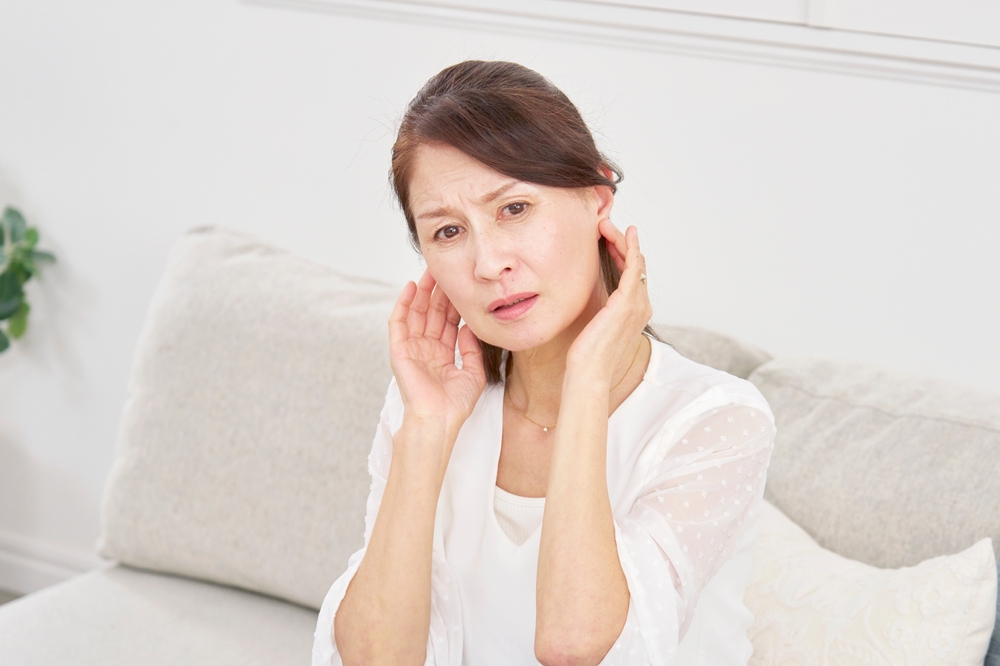
Discovering an abrupt inability to hear after sleep is a truly distressing scenario. When hearing fades without a distinct trigger or warning sign, the resulting disorientation is significant. While simple blockages are common, more critical auditory conditions demand a swift medical evaluation.
Gaining insight into why hearing fails rapidly and prioritizing immediate care is imperative for future health. The following guide explores the science of swift hearing changes, likely triggers, and the requirement of expert clinical care.
Defining the Parameters of Sudden Hearing Loss
Clinically, sudden hearing loss is defined as an accelerated reduction in hearing function that occurs within a few hours or up to three days. The issue frequently strikes a single ear, though two-sided loss is seen in less common cases. Presentations include dullness of sound, persistent ringing, a feeling of pressure, or an inability to follow conversation.
Navigating SSHL: A Medical Priority
SSHL stands as one of the most critical conditions for an audiologist to investigate quickly.
This impairment occurs when there’s an issue with the inner ear, auditory nerve, or brain pathways involved in hearing. The origin is often idiopathic, though medical professionals identify several likely contributing elements:
- Decreased vascular supply to the delicate inner ear structures
- Internal swelling and abnormal immune system activity
- Infection-based auditory damage
- Advanced neurological conditions
Due to the fact that timely therapy can restore hearing function, SSHL is always prioritized as an immediate medical priority.
Infection-Based Auditory Loss
Viral activity often leads to inflammation in the hearing nerve, resulting in significant auditory changes.
Frequent viral triggers linked to abrupt hearing impairment are:
- Viral cold and nasal infections
- The annual flu virus
- The herpes family strains
- Post-COVID viral effects
Auditory shifts may appear concurrent with or following an illness and can be accompanied by vertigo or pressure.
Impact and Auditory Trauma
A blow to the head, sudden pressure changes, or high-decibel sound can damage delicate structures inside the ear.
The following scenarios are frequent catalysts for injury-based hearing impairment:
- Cranial trauma or concussions
- Acoustic or atmospheric barotrauma
- Exposure to extremely loud sounds
- Disturbances in inner ear fluid balance
Relatively small impacts can still compromise auditory function, particularly if shifts manifest immediately following the event.
Conductive Blockages: The Role of Earwax
While less serious than inner ear causes, impacted earwax can still cause sudden hearing changes.
Earwax-related hearing loss may:
- Occur almost instantaneously
- Feel like fullness or pressure
- Be more pronounced on one side
- Subside once the canal is professionally cleared
Importantly, it’s not always possible to tell at home whether hearing loss is due to wax or a medical crisis. Consequently, an expert audiology assessment is non-negotiable.
Other Possible Causes of Sudden Hearing Loss
Secondary factors to sudden hearing loss may include:
- Medication side effects
- Vascular irregularities in the auditory pathway
- Systemic autoimmune attacks on the inner ear
- Rare growths on the hearing nerve
A comprehensive hearing evaluation helps rule out these possibilities.
The Time-Sensitive Nature of Treating Hearing Loss
It is critical to understand that delaying evaluation for sudden hearing loss is a significant risk.
A fast response from a specialist can help:
- Pinpoint underlying issues that can be reversed
- Improve the effectiveness of treatment
- Stop further hearing damage
- Decrease the likelihood of facing permanent speech-understanding issues
Comprehensive audiology diagnostics provide the necessary data needed to manage the condition effectively.
When Rapid Hearing Changes Require an Immediate Call
Do not delay seeking a specialist if you encounter any of these sudden changes:
- Sudden hearing loss in one or both ears
- Hearing changes with dizziness or imbalance
- Abrupt auditory buzzing or a feeling of congestion
- Auditory decline following a sickness or physical trauma
Even if symptoms subside, you still require a formal assessment to identify the root cause.
Utilizing Diagnostics for Fast Hearing Results
Hearing tests can quickly clarify whether hearing loss is:
- A conductive issue involving the middle ear or auditory canal
- Sensorineural, affecting the inner ear or hearing nerve
- Likely to be short-term or a permanent impairment
Rapid testing is the foundation for timely medical action and superior long-term results.
Take Sudden Hearing Changes Seriously
It is normal to feel alarmed by sudden deafness, but immediate professional help offers the best chance for success.
If you notice an unexpected change in your hearing, getting a professional evaluation can protect your hearing health and your peace of mind. We’re here for you if you experience sudden hearing loss: Call our care team as soon as possible at our office for the help you need.