
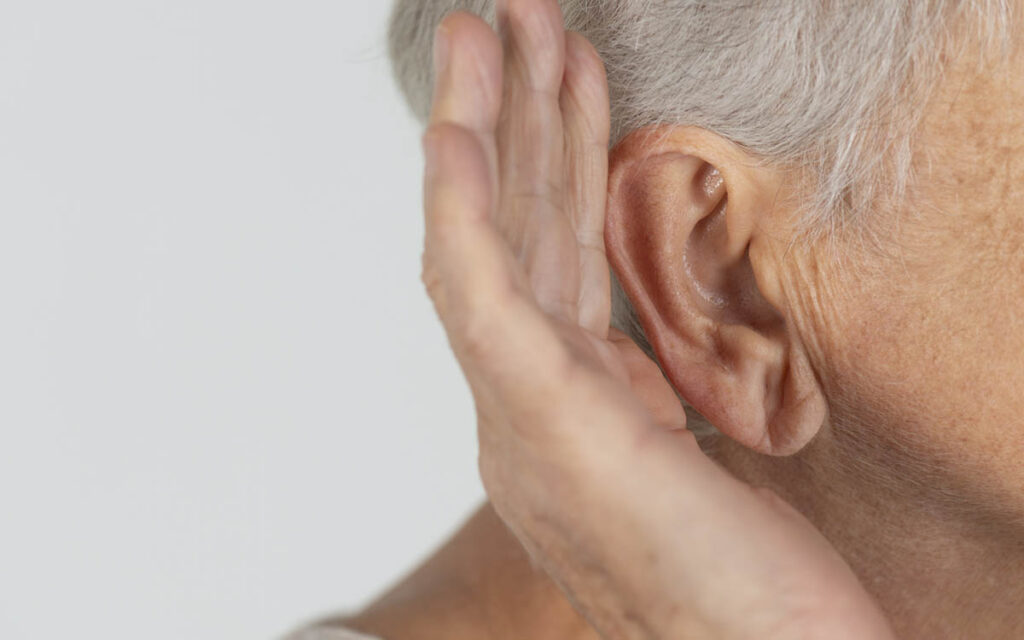
Commonly, clinicians link hearing loss with advancing age, however, for millions in the U.S., physiological damage begins at a younger age. Noise-induced hearing loss is one of the most common and preventable forms of damage to our hearing, escaping notice until it becomes a permanent condition.
Grasping the longitudinal impact of sound exposure on the auditory system facilitates proactive protection before major hearing loss develops.
Understanding the Clinical Nature of Noise-Induced Hearing Loss: An Overview
The pathology of noise-induced hearing loss involves trauma to the sensitive anatomical structures within the inner ear. The Centers for Disease Control and Prevention state that, acoustic levels surpassing 85 decibels can induce ear damage following repeated or lengthy exposure. More intense acoustic stimuli, such as power equipment or firearms, are capable of inducing auditory trauma in a matter of minutes.
Inside the inner ear are tiny sensory cells called hair cells. These receptors facilitate the conversion of acoustic vibrations into electrical signals decoded by the brain. Because hair cells cannot repair or replace themselves once damaged, hearing loss resulting from noise is generally a permanent physiological state.
The Cumulative Development of Ear Damage
A primary clinical concern regarding noise-induced hearing loss is its typically slow rate of progression. Initial clinical indicators of sound-induced trauma may involve:
- Temporary ringing or buzzing in the ears (Tinnitus)
- A feeling of muffled hearing after loud events
- Difficulty understanding speech in noisy environments
These early warning signs may fade, leading people to assume their hearing has “recovered”. In fact, chronic noise exposure causes ongoing trauma to inner-ear anatomy, steadily eroding hearing precision.
According to the hearing loss Association of America, nearly 48 million citizens live with hearing loss, often without realizing the cause.
Recognizing Everyday Acoustic Risks Impacting Auditory Longevity
Modern society is characterized by high ambient noise, which frequently leads to a lack of awareness regarding sound intensity. Due to this, the commonality of injurious sound exposure often goes unrecognized.
Potential sources include:
- Professional music performances and concert environments
- Personal audio devices utilized at excessive decibel levels
- Motorized landscaping equipment, power machinery, and vehicles
- Occupational noise exposure within the construction or manufacturing sectors
Since these noises are integrated into daily routines, cumulative damage often occurs without immediate clinical indicators.
Implementing Prevention in Ear Preservation
Noise-induced hearing loss is physiologically irreversible, unlike many other health impairments. The condition is, however, susceptible to effective preventative strategies. Simple protective habits can significantly reduce risk, including:
- Using earplugs or noise-reducing earmuffs in loud environments
- Lowering headphone volume and following the “60/60 rule”
- Taking listening breaks to give your ears time to recover
- Arranging for routine Audiology assessments if noise exposure is frequent
Criteria for Expert Audiology Consultation
If you notice persistent ear ringing, difficulty following conversations, or changes in hearing clarity, you should seek evaluation from a hearing professional. Prompt clinical evaluation is vital for tracking auditory status and formulating effective hearing preservation plans.
Prioritizing auditory health now ensures the preservation of hearing clarity for the future. Environmental sound may be constant, but the development of hearing loss is not inevitable. Contact us to coordinate a comprehensive evaluation and ensure your auditory system is functioning at its peak.