
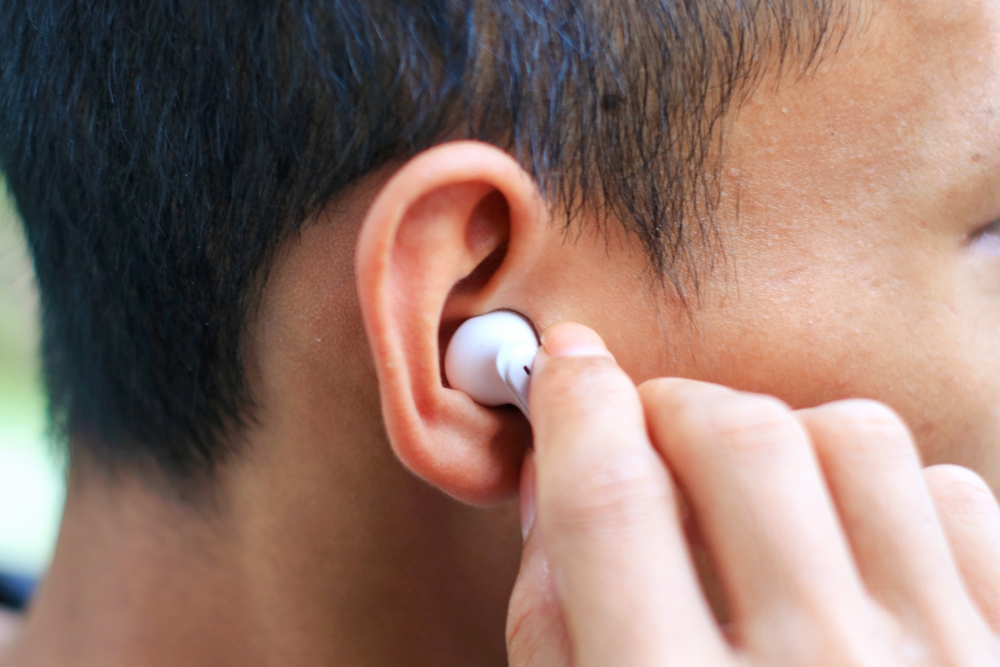
We seldom encounter a teenager or young adult who isn’t currently using a personal audio device. Though over-ear headphones are more bulky, the younger demographic still relies on them for environmental isolation. While acoustic enjoyment is universal across all ages, the youth population often utilizes music as a primary tool for time management. This leads to the clinical question: can the proximity of these devices to the ear canal trigger permanent auditory damage? The danger is not inherent to the technology but is instead a product of specific usage habits.
The Biological Threshold of Auditory Exposure
The right music can induce a state of relaxation, provide spiritual comfort, or drastically boost energy levels. Much depends on the rhythm and volume of the content being consumed. Using a headphone or an earbud is a polite way to listen without disturbing others. This behavior is socially beneficial, and commuters often report a preference for this shared auditory boundaries on public transit.
From an audiological perspective, we must define the specific thresholds for safe volume and exposure duration. It is well-established that loud noise, regardless of the source, can compromise your long-term hearing sensitivity. Combining high-intensity sound with extended exposure times can lead to permanent sensorineural damage. Since hearing shifts occur incrementally, the window for prevention has often closed by the time a patient seeks help.
Why Earbuds Pose a Unique Threat to Hearing Health
High volume stands as the most significant threat to the preservation of hearing sensitivity. Nevertheless, the timeframe of the sound exposure is just as critical a factor as the intensity itself.
- According to the NIH, maintaining a threshold below 70 dB ensures safety, even during extended listening periods.
- Louder noises will cause hearing damage faster than quieter sounds.
- To protect your ears, utilize the 60/60 guideline: never exceed 60% power and rest after 60 minutes of use.
- Taking control of your volume slider and managing your time is the best defense against hearing loss.
Recognizing the Symptoms of Auditory Damage
If you notice muffled speech, struggle with background noise, experience **tinnitus**, or constantly require others to speak up, a professional evaluation is necessary.
If you suspect a decline in your hearing, contact our office to begin a professional diagnostic process.