
Sound dampening can be unsettling, often making you feel isolated from the community around you. Many people instinctively worry they’re experiencing irreversible hearing loss when, in reality, the cause may be something much more basic: cerumen accumulation.
Knowing how to tell these two conditions apart ensures you obtain the correct treatment, whether that is professional wax removal or a clinical hearing test. In the event you are experiencing muffled hearing, don’t panic. A professional assessment will provide the final answer, but the following resource outlines the main differences between wax-related issues and lasting loss.
How to Recognize a Wax Blockage
Your canals generate wax as a natural defense mechanism to maintain integrity and keep contaminants away from the eardrum. Problems arise when too much wax accumulates or turns impacted.
Common signs of earwax buildup include:
- Progressive or abrupt dampened hearing
- A feeling of canal fullness or a “plugged” feeling
- General ear discomfort or mild soreness
- Buzzing in the ear (ringing)
- Instances of sharper hearing following a yawn or eating
Earwax-related hearing problems are often asymmetrical, impacting one ear more than the other. Luckily, once surplus wax is safely extracted, hearing often reverts to normal instantly.
Recognizing Permanent Impairment Symptoms
Permanent hearing changes, often caused by age or loud environments, are progressive and persist even if the ear is completely clear.
Common symptoms of permanent auditory loss include:
- Trouble comprehending conversation, particularly in noisy environments
- Regularly requiring clarification during normal conversation
- Increasing the TV or smartphone volume louder than others prefer
- Diminished sensitivity to high-frequency auditory signals
- A symmetrical decrease in hearing ability in both ears
A key difference is that true loss misses the physical “plugged” feeling that accompanies a cerumen impaction.
Contrasting Cerumen Blockage and Auditory Loss
By analyzing the timing and specific symptoms, you can often determine which issue is impacting you:
- Timeline: Cerumen muffling can be quick, but permanent loss requires decades
- Longevity: Wax issues are fixable and short-term, whereas impairment is usually chronic
- Sensations: Tactile “clogging” points to wax, while the struggle to differentiate sounds points to impairment
- Sides: One-sided dull sound suggests cerumen, while bilateral suggests hearing loss
Reasons Not to Treat Yourself
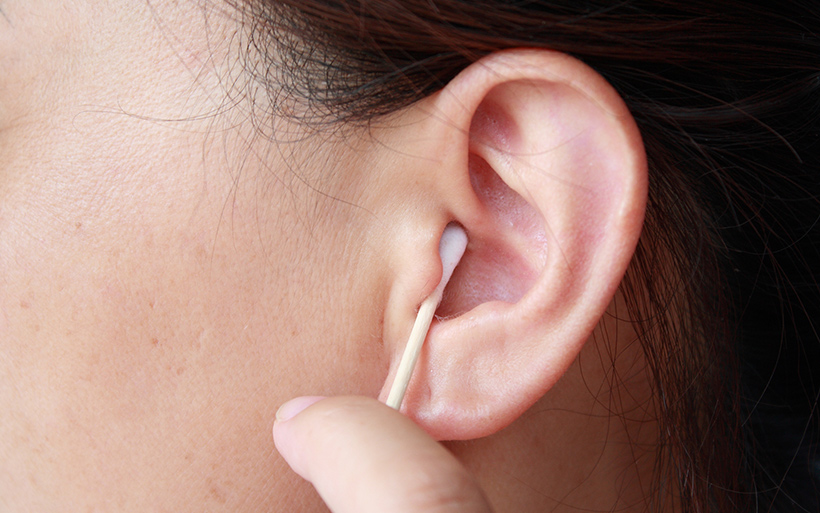
When auditory input feels dampened, the natural desire is to use a cotton bud, but this is often a dangerous move. Using external items typically shoves the obstruction further into the ear, increasing the danger of injury.
Clinical data shows that self-cleaning often results in unintended damage or more complex blockages.
On the flip side, assuming a problem is merely wax when it is actually auditory impairment can prevent you from obtaining the assistance you require to remain engaged.
The Importance of a Professional Otoscopy
A quick clinical check-up is the primary way to verify if cerumen is actually the cause of your muffled hearing.
When cerumen is the cause, in-office flushing or manual removal provides immediate relief.
Should the ear canal be unobstructed but auditory difficulties continue, a hearing test can evaluate whether hearing loss is present and identify its type and severity.
The NIDCD advises prompt assessment anytime shifts in hearing conflict with your everyday routine.
Is It Cerumen Impaction or Auditory Decline?
Muffled hearing doesn’t always indicate irreversible trauma.
In numerous instances, earwax buildup is the source, and it’s extremely manageable.
Seeking expert care guarantees you locate the specific source and the proper remedy for your hearing needs.
Please note that home assessment is hardly a replacement for a clinical exam when it pertains to your hearing.
Addressing the issue immediately stops the anxiety of the uncertainty and places you on the path to improved hearing.
Rather than guessing what is amiss, book a quick check-up with our audiologists to get the truth.